
RGB and RGBW LED Lighting Technologies: Exploring the Boundaries and Possibilities of the World of Color
author: Lucy
2024-04-25
RGB and RGBW LED Lighting Technologies: Exploring the Boundaries and Possibilities of the World of Color
As technology continues to advance, the demand for lighting technology is also evolving. In this colorful world, two LED lighting technologies, RGB and RGBW, are leading the way with their unique appeal. But what are the differences between them? And what advantages do they offer?
First, let's understand the basics of RGB and RGBW:
RGB is the three primary colors of light, consisting of red, green, blue three basic colors, through the mixing of different ratios can present a rich and colorful colors, from soft warm tones to fresh cool tones, widely used.RGB LED is based on this principle, through the control of the brightness of the red, green, blue three kinds of LED chips, to achieve the different colors of the output.RGB LED has the advantages of rich colors, adjustable brightness, RGB LEDs have the advantages of rich colors, adjustable brightness, energy saving and environmental protection, so they are widely used in lighting, display and other fields.
RGBW, on the other hand, adds a white LED chip on the basis of RGB, which makes the LED lighting effect richer and more realistic, and is able to provide a wider range of colors and higher brightness, which further enhances the user experience. The white LED chip has a high luminous efficiency and is capable of producing bright light. In RGBW LEDs, the addition of white LEDs can increase overall brightness, reduce energy consumption, and be more realistic when displaying cool colors. Therefore, RGBW LEDs have higher application value in backlighting, lighting and other fields.

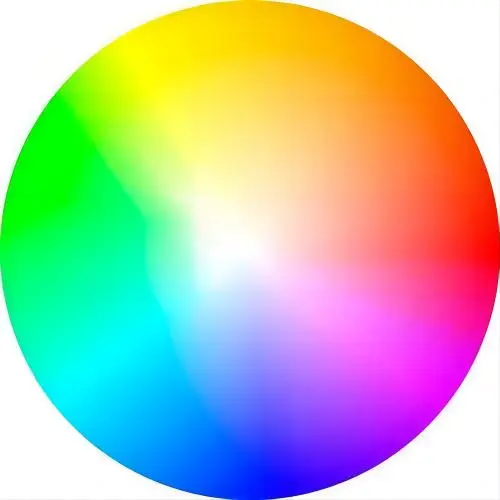
Next, let's explore the advantages of each of these two technologies:
For RGB technology, its biggest advantage lies in the expressiveness and flexibility of color. Whether for home LED lighting, commercial venues or stage performances, RGB technology can be used to achieve personalized color design and create a unique atmosphere and visual effects. RGBW technology further enhances the realism and comfort of LED lighting effects, especially for scenes that require higher brightness and more natural light, such as galleries, museums and medical environments.
In addition, RGBW technology also has lower energy consumption and longer service life, effectively reducing the cost of use and maintenance costs, in line with the trend of sustainable development of LED lighting. At the same time, with the continuous development of intelligent technology, RGBW technology can also be combined with intelligent control systems to achieve a more convenient, more intelligent LED lighting management, bringing users a more convenient experience.
Overall, both RGB and RGBW represent the cutting-edge development direction of LED lighting technology, and will bring people a more colorful LED lighting experience. In the future development, we can look forward to the wider application of these two technologies in various fields, bringing more convenience and surprise for people's life and work!
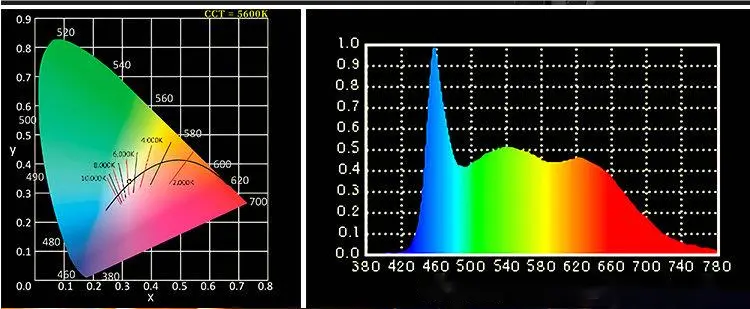
In the field of RGB and RGBW applications:
1. Lighting field
RGB and RGBW LEDs are widely used in the lighting field. They can realize the free adjustment of color temperature and brightness through intelligent control systems to meet the needs of different scenes. For example, in home lighting, the light can be automatically adjusted according to time, atmosphere and other factors to create a comfortable living environment. In commercial lighting, various lighting effects can be realized through programming to enhance the commercial atmosphere.
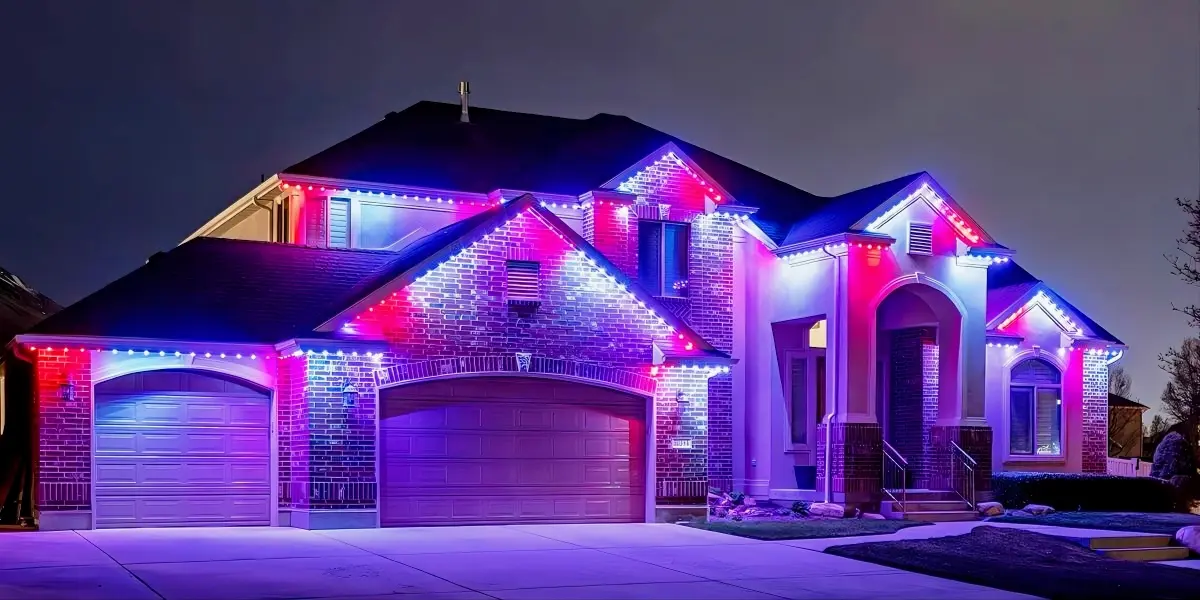
2. Display field
RGB and RGBW LEDs also play an important role in the display field. In backlighting applications such as TVs and computer monitors, RGBW LEDs can provide higher brightness and truer color performance to enhance the viewing experience. In addition, in outdoor billboards, stage lighting and other fields, RGB and RGBW LEDs can also create rich visual effects.

3. Artistic creations and interactive installations
Artists often utilize RGB and RGBW LEDs to create unique art installations. Through programming and control systems, LEDs can display dynamic color changes and flashing effects, bringing an immersive art experience to the audience. These installations are widely used in galleries, museums, music festivals and other venues, bringing new visual feasts to the audience!
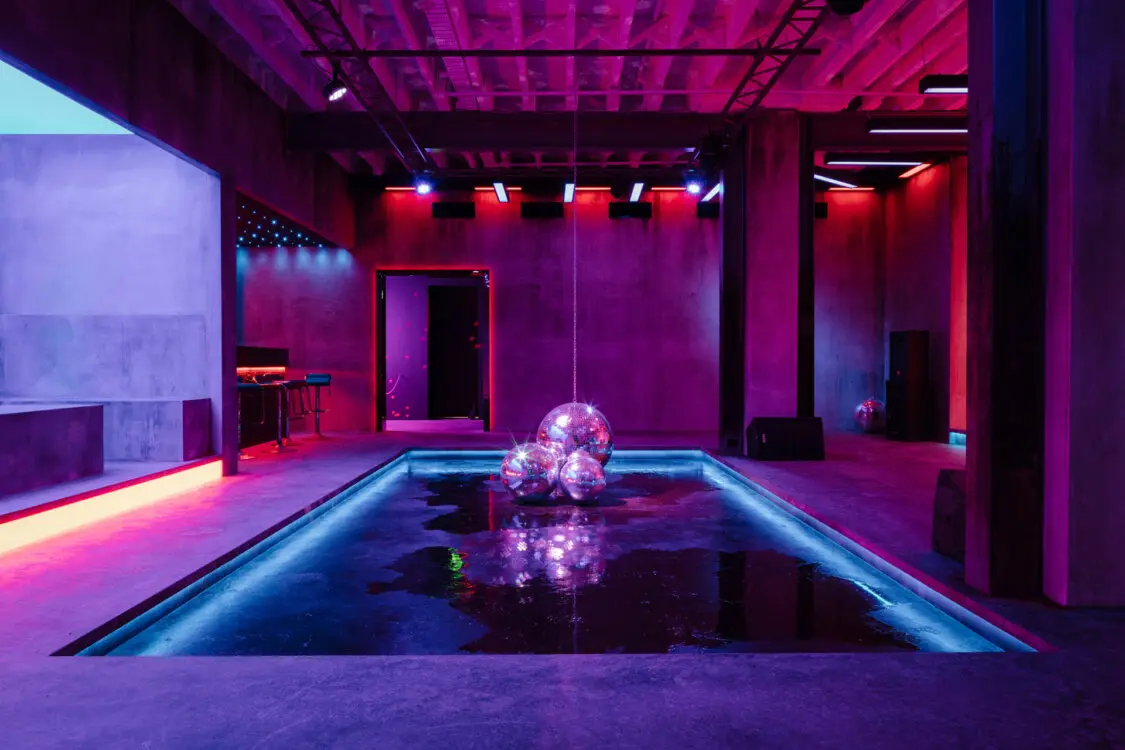
Finally, we look at the future of RGB and RGBW:
As LED technology continues to advance, RGB and RGBW LEDs are poised for even greater application in the future. Here are a few possible development trends:
1. Smart Lighting
With the development of IoT technology, smart lighting will become an important trend in the future.RGB and RGBW LEDs can be linked with other smart home devices to realize automated control and intelligent management. For example, by combining with sensors, voice assistants and other devices, it can realize automatic adjustment of light according to factors such as ambient light and user needs to enhance the living experience.
2. High efficiency and environmental protection
LED technology itself has the advantage of energy saving and environmental protection, the future of RGB and RGBW LED will pay more attention to improve luminous efficiency and reduce energy consumption. By improving materials, optimizing structure and other methods, to achieve more efficient light output and lower energy consumption, to contribute to sustainable development.
3. Innovative applications
With the progress of science and technology, RGB and RGBW LEDs will continue to expand new application areas. For example, in the fields of virtual reality and augmented reality, RGB and RGBW LEDs can bring users a more realistic visual experience. In addition, LED technology will also play a greater role in medical and agricultural fields.
Conclusion:
RGB and RGBW LED lighting technology represents the innovation and progress of the LED lighting industry. As an important branch of the LED field, RGB and RGBW LEDs have their own advantages in terms of color expression, energy efficiency and intelligence, which provide users with a richer and more diverse selection of LED lighting. In the future, with the continuous development of science and technology and people's pursuit of quality life, we have reason to believe that RGB and RGBW will continue to lead the development trend of LED lighting technology, creating a better bright world for mankind.
Must read before choosing LED lighting products: dustproof and waterproof grade full strategy
LED Driver Connections Explained: Choosing the Best Lighting Solution for You
Related Article

Upgrade your home with permanent LED lights. Learn about Wi-Fi control, RGBW color, and IP ratings. Discover the smart, weatherproof solution for year-round beauty.
Smart Permanent Outdoor Lighting: A Buyer's Guide for Your Home

Say Goodbye to "Dead Light" Issues! Gouly LED Explains How 4-Wire LED Pixel Lights Outperform Traditional 3-Wire Solutions with Redundant Design

MR16-COB LED Lighting Technology Revolution, Pioneering a New Era of Efficient and Precise Lighting

Learn about the working principles and functions of LED controllers, and explore how intelligent control and energy-saving technologies are driving the development of the modern lighting industry to meet the diverse needs of domestic, commercial and landscape lighting.
Comprehensive analysis of LED controller: intelligent control and energy-saving technology to promote the future development of LED lighting